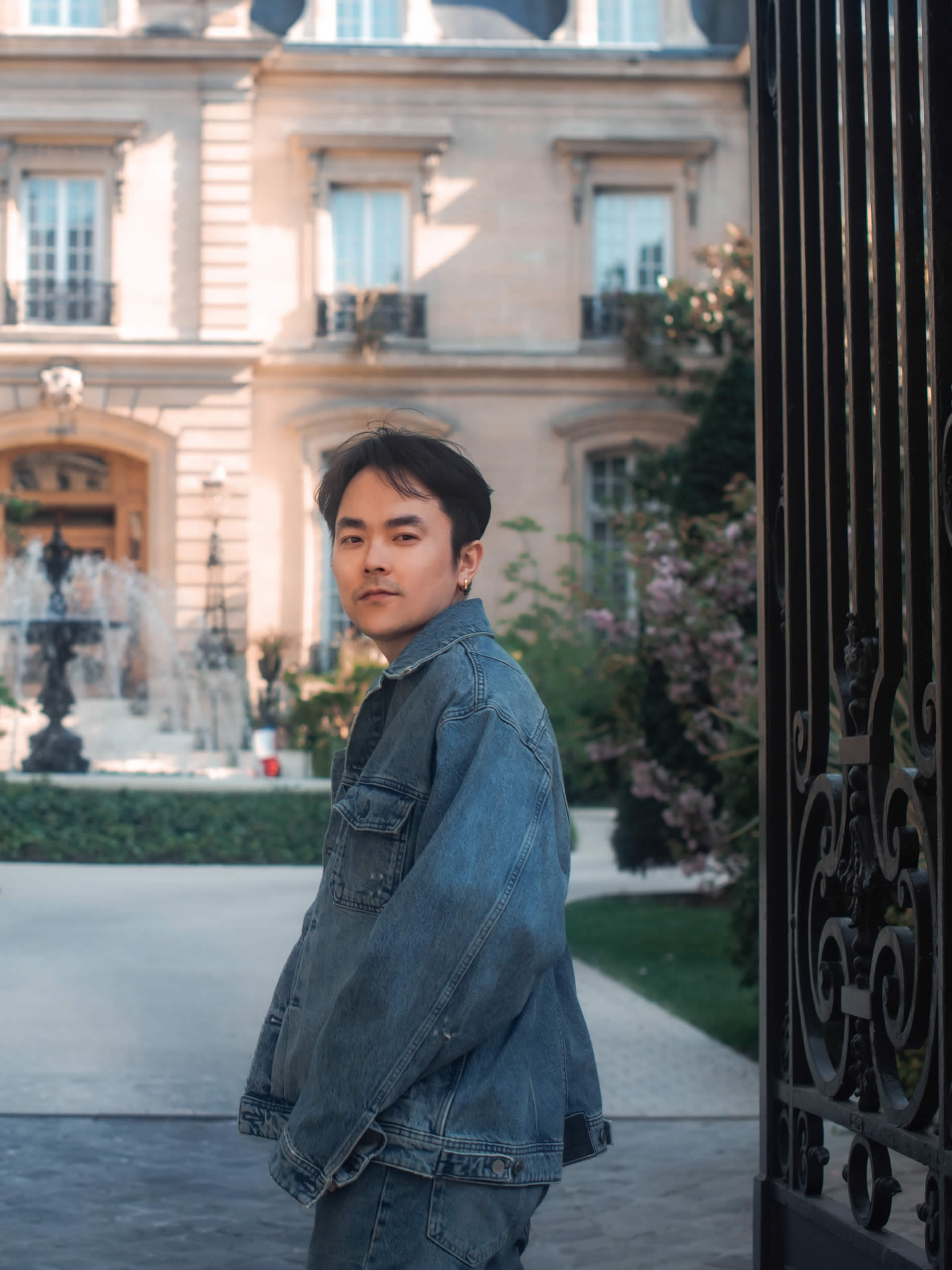
ABOUT KING
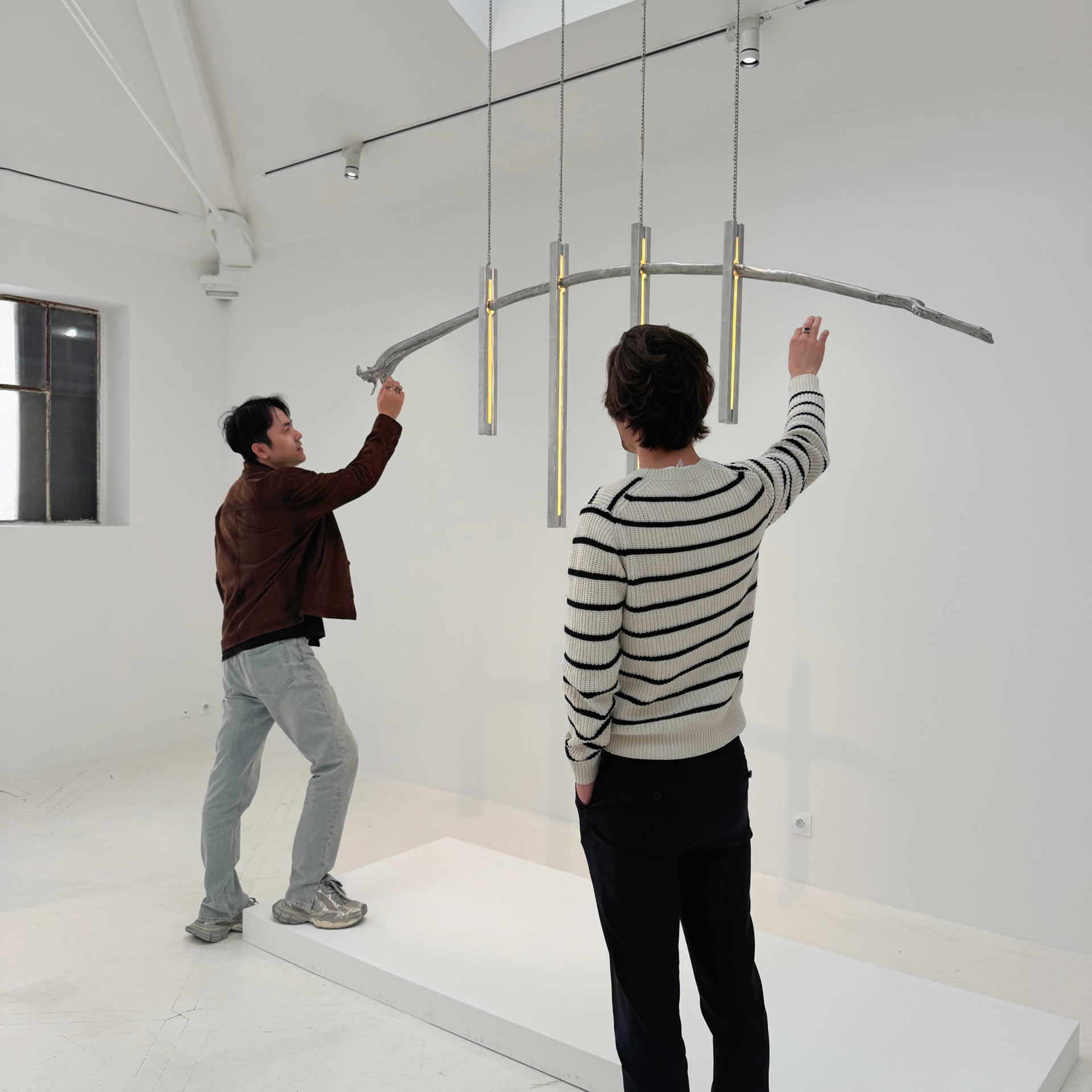
With years of professional experience across France and Italy, KING has developed a refined design language rooted in architectural rigor, cultural depth, and contemporary aesthetics. His work has been recognized with multiple international design awards, reflecting his commitment to innovation and excellence.
KING believes that space is alive—dynamic, responsive, and capable of telling stories. He approaches each project with the intention of elevating daily living, creating environments that foster meaningful interaction between people and the spaces they inhabit. Through thoughtful narrative, precise craftsmanship, and a pursuit of timeless beauty, KING strives to transform design into a bridge that connects lifestyle, emotion, and imagination.
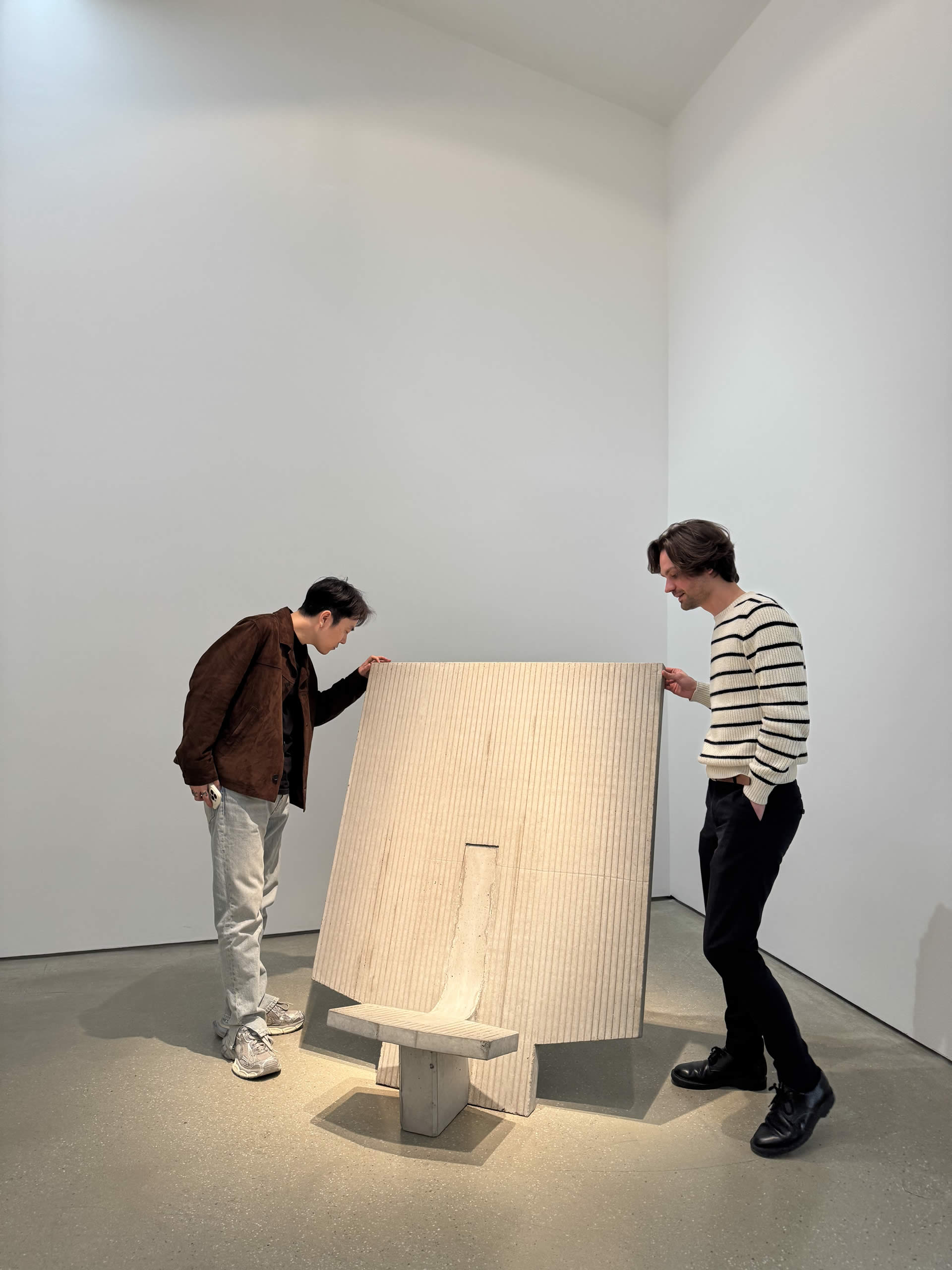
A well-crafted spatial design
should aim to elevate the quality of the built environment. By creating experiential scenes infused with cultural warmth, it integrates human needs and emotional expression into the space, allowing residents or users to find a sense of belonging and the lifestyle they aspire to.
The starting point of any design lies in a deep understanding of the architecture and its environment. Architecture is not merely a physical container—it carries the imprint of its region, history, and era. Designers must study the site’s structural logic, patterns of light and shadow, circulation relationships, and potential issues, proposing thoughtful optimization strategies through professional insight. At the same time, by responding to the building’s inherent style and cultural context, spatial transformation becomes a way to continue its narrative, enabling it to radiate new vitality within a contemporary setting.
At the core of design is always the human being. Real life behaviors—how people dress, eat, rest, and move—form the foundation of spatial planning. It requires attention to the unique lifestyles shaped by differences in personality, age, occupation, and life experience. In this way, a space acquires emotional expression and personal character rather than becoming a mere accumulation of functions. Design not only provides material conditions but also cultivates a sense of spiritual belonging—shaping people’s aesthetics, their state of mind, and the way they perceive life.
Excellent spatial design is also a form of emotional expression. By capturing subtle yet meaningful moments in daily life and interpreting them through humanistic thinking, refined materiality, and the orchestration of warm, nuanced light, emotions are gently woven into the experience. A space thus does more than meet practical needs—it resonates through touch, sight, and the heart, offering comfort, security, and emotional nourishment.
A truly exceptional space is therefore one that takes humans as its measure, culture as its foundation, and life as its narrative. It enriches the environment through human presence and allows emotion to grow organically within it. Ultimately, the value of design lies in how it transforms the way people live and grants new possibilities to their everyday existence.